In the field of modern road cycling, carbon fiber frames have officially replaced traditional metal frames and become the standard configuration for professional competitions, advanced training and long-distance riding. Most cycling enthusiasts love the delicate riding texture, sensitive power feedback and excellent shock absorption performance of carbon fiber road bikes, yet few have an in-depth understanding of its material principles, performance advantages and scientific maintenance methods. A carbon fiber frame is far more than just a "lighter frame"; it is a perfect integration of material science, mechanical structure design and sophisticated industrial technology. This article deeply analyzes carbon fiber road bikes from multiple dimensions including material characteristics, riding advantages, usage taboos and maintenance tips, helping you fully understand the core technology of professional carbon fiber cycling equipment.
Compared with common aluminum alloy and steel frames, the revolutionary advantage of carbon fiber composite materials lies in the perfect balance of extreme lightweight and ultra-high rigidity. Our high-modulus imported carbon fiber raw materials are formed through multi-layer precise stacking technology, with structural rigidity far exceeding that of metal frames of the same specification, effectively avoiding frame deformation during riding. In terms of weight, a carbon fiber frame is only one-third of a traditional steel frame and two-thirds of a high-end aluminum frame, presenting an outstanding lightweight advantage. This core feature brings tangible riding improvements: during steep climbing, the ultra-light frame greatly reduces physical consumption and avoids dragging feelings, maintaining a stable cadence effortlessly; in flat cruising and sprinting, the high-rigidity frame ensures zero power loss and direct force transmission, converting every pedal stroke into forward speed efficiently and greatly improving racing performance and riding fluency.
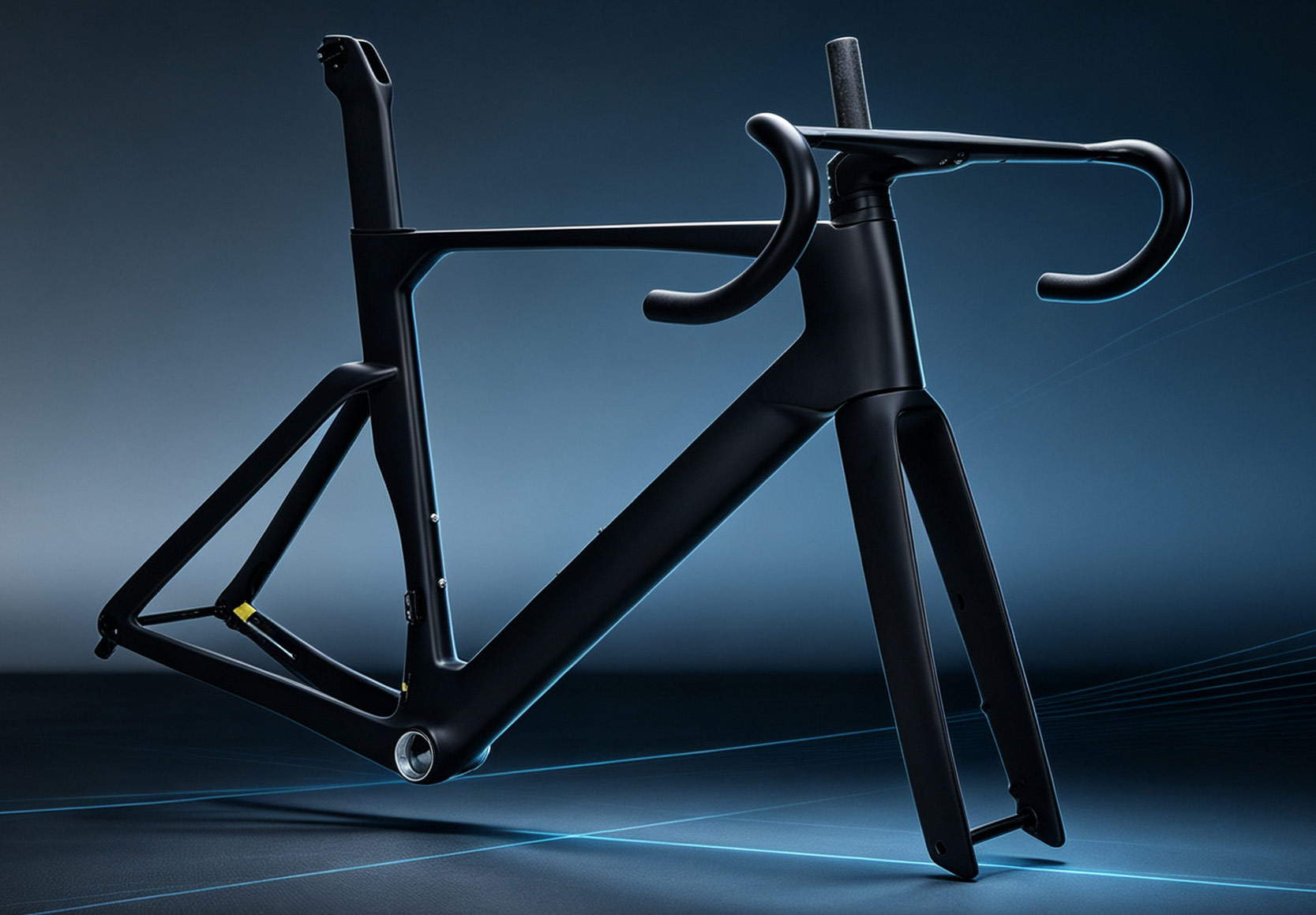
Carbon fiber is fundamentally different from homogeneous metal materials in mechanical properties. Metal frames have uniform stress performance with negligible directional differences, while carbon fiber is a typical anisotropic material. With precisely designed carbon fiber layup angles and stacking structures, it boasts extremely high tensile and compressive strength along the fiber direction, more than ten times that of ordinary aluminum alloy. It can fully bear the continuous load of high-intensity racing, long-distance cruising and bumpy road riding, ensuring excellent body stability. However, its unique material characteristics also bring usage restrictions: carbon fiber frames have weak resistance to lateral impact and local extrusion. Sharp object collisions, side impacts, parking extrusion and falls may cause invisible internal delamination and cracks. These hidden damages are hard to identify visually but will greatly reduce the structural strength of the frame and bring potential safety risks, making refined maintenance essential for carbon fiber equipment.
Many cyclists hold a misunderstanding that carbon fiber frames are durable and maintenance-free. In fact, the service life and performance stability of carbon fiber frames depend entirely on the epoxy resin protective layer. As the protective coat of carbon fiber, epoxy resin isolates air, moisture and external erosion to protect the internal carbon fiber structure. Long-term ultraviolet exposure, high-temperature baking, humid and rainy environments, and accumulated dust and dirt will accelerate the aging of epoxy resin, causing paint whitening, surface embrittlement, resin pulverization and cracking. This will further lead to moisture oxidation and delamination of internal carbon fibers, greatly reducing the frame’s rigidity and toughness. Daily maintenance is simple: clean the frame in time after riding, avoid long-term outdoor exposure and rain soaking, protect the frame from bumps and extrusion during parking, and regularly check the frame paint and welding seams. These routine operations can effectively delay aging, maintain the peak performance of the frame and extend the service life of the equipment.
From professional international road cycling tournaments to urban commuting and outdoor cross-country riding, carbon fiber technology is constantly iterating and upgrading, focusing on four core advantages: lighter weight, higher rigidity, better aerodynamic performance and stronger durability. Empowering every ride with sophisticated material technology, it balances speed passion and riding comfort, allowing every cyclist to experience the ultimate riding performance brought by professional equipment on every journey.






 IPv6 network supported