
Leave A Message
If you are interested in our products and want to know more details,please leave a message here,we will reply you as soon as we can.

Carbon rim wheels are iconic premium road cycling components, delivering ultra-light weight and outstanding aerodynamic efficiency. Unlike durable alloy rims, however, their resin-based braking surfaces are extremely delicate. They are highly vulnerable to heat accumulation, friction abrasion, road grime, and improper riding habits. Without proper care, riders will encounter premature scratches, surface glazing, and irreversible thermal damage, which shorten wheel lifespan and compromise overall riding safety.
Thankfully, most carbon brake track damage is completely preventable with simple, consistent maintenance. Below are 5 professional, actionable tips for carbon rim brake maintenance to preserve your wheel quality and keep braking performance stable and reliable.
1. Use Only Carbon-Specific Brake Pads (Critical for Rim Protection)
One of the most common and destructive mistakes cyclists make is using standard alloy brake pads on carbon rims. Traditional alloy pads contain harsh abrasive metal particles. During braking, these particles generate excessive friction and localized heat, leaving permanent micro-scratches and resin degradation on fragile carbon brake tracks.
Carbon-specific brake pads feature a custom soft, low-abrasion, heat-resistant compound. They deliver balanced, trustworthy braking force while protecting the carbon resin layer from wear and heat damage. Always choose certified options such as SwissStop Black Prince and Kool-Stop Salmon, which meet international thermal stability standards and are compatible with most mainstream carbon wheel sets.
Develop a pre-ride inspection habit for your brake pads. Replace pads immediately once surface grooves disappear or wear reaches the safety limit line. Never ride with worn, metal-exposed pads — metal contact will permanently score and ruin high-end carbon braking surfaces in a short time.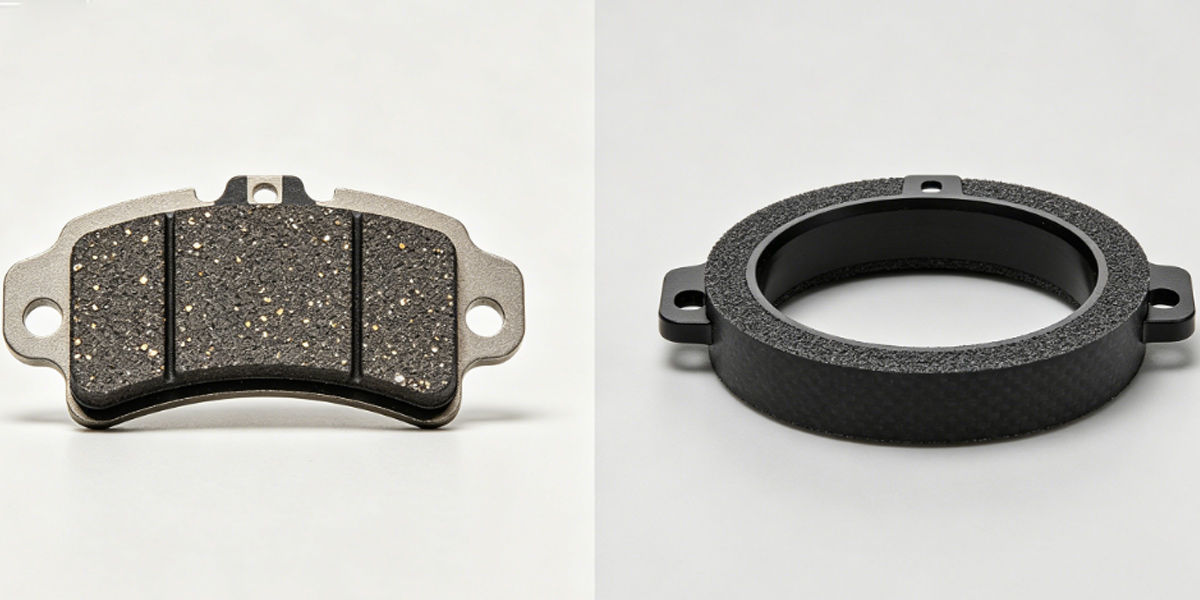
2. Clean Brake Tracks & Pads Weekly to Remove Abrasive Grit
Road dust, fine grit, and tiny metal shavings easily embed into brake pad surfaces. These hidden particles act as persistent abrasives. With every brake application, they grind against the carbon track, causing gradual thinning, surface dullness, glazing, and annoying high-pitched brake noise.
Perform a full brake cleaning routine weekly or immediately after long-distance and wet-condition rides. Wipe carbon brake tracks gently with a soft lint-free cloth and mild bicycle-specific cleaner. Use a small amount of isopropyl alcohol to remove stubborn rubber residue and oil film. Avoid strong corrosive chemical solvents, which will erode and weaken the carbon resin layer.
Clean embedded debris from brake pad gaps and lightly sand glazed pad surfaces with 200–400 grit fine sandpaper to restore original friction performance. Always keep brake tracks and pads fully clean and dry before riding. Avoid high-pressure water flushing directly on brake tracks, as trapped moisture and residual grit will accelerate abrasive wear in wet environments.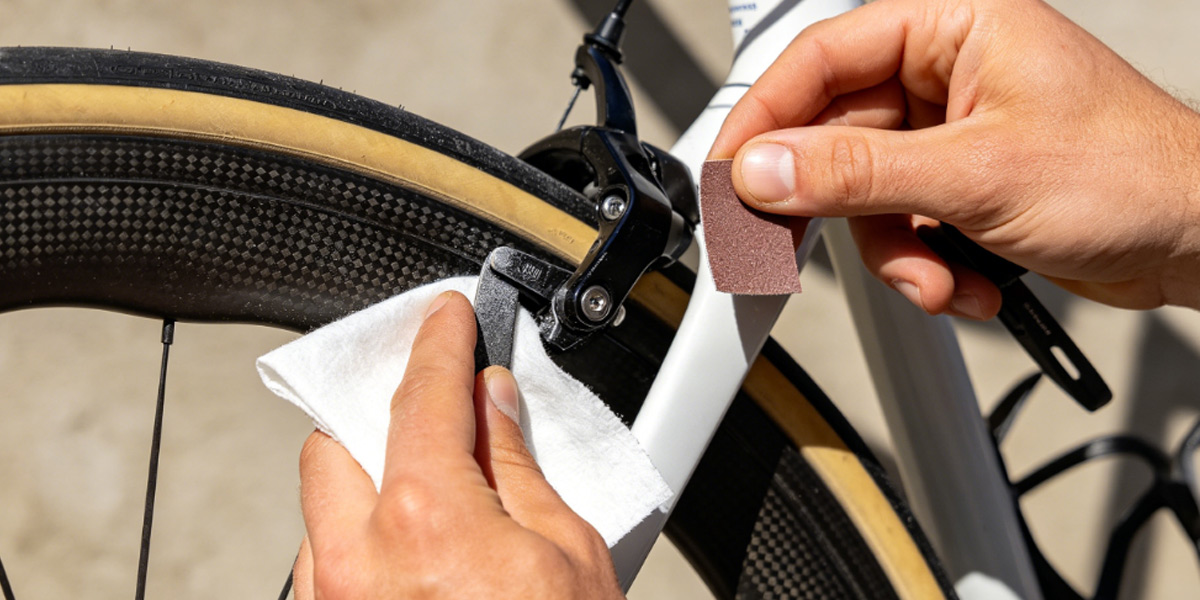
3. Use Smoother Braking to Prevent Thermal Rim Damage
Carbon rims have significantly lower heat resistance than aluminum alloy rims. Continuous hard braking on descents traps intense heat on the narrow brake track. Excessive heat causes resin degradation, surface blistering, and invisible micro-cracks, leading to irreversible performance decline. Thermal damage is the leading cause of premature carbon wheel retirement.
Build heat-saving braking habits, especially during long downhill segments. Adopt intermittent gentle braking and alternating front and rear brake usage instead of prolonged locked braking, allowing sufficient time for heat dissipation on carbon tracks.
Avoid frequent sudden full-power braking at high speeds. Smooth, progressive braking effectively reduces instantaneous heat accumulation and surface abrasion, delivering more stable, predictable, and safer riding control.
4. Calibrate Brake Caliper Alignment to Avoid Uneven Wear
Misaligned brake calipers are a commonly overlooked maintenance issue that leads to uneven carbon track wear. Offset, tilted, or lightly rubbing pads create continuous unilateral friction. Over time, this causes irregular track wear, local rim thinning, and distorted wheel roundness, ruining wheel balance and braking consistency.
Check brake caliper alignment every two weeks or before major long-distance rides. Adjust the pads to sit perfectly parallel to the carbon
Always test brakes after adjustment. Accurate caliper alignment ensures even pressure distribution, eliminates patchy wear, and drastically prolongs the service life of your carbon braking surfaces.
5. Perform Routine Inspections & Proper Storage
Carbon brake wear accumulates over time. Neglected minor scratches and micro-cracks worsen with use and threaten wheel safety. Regular inspections are essential for long-term durability.
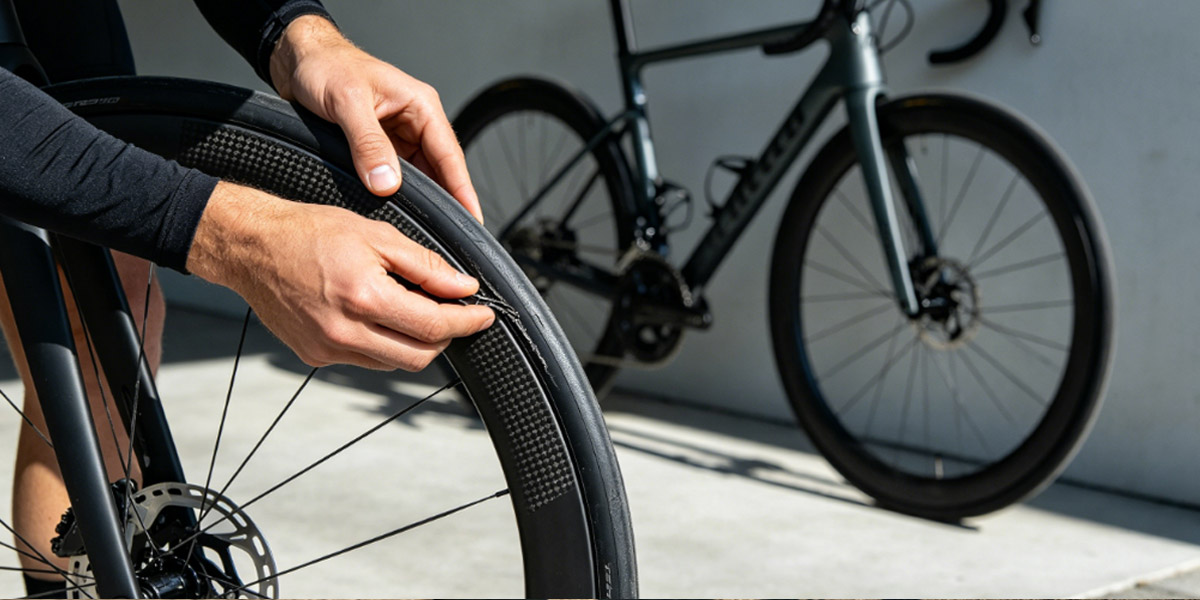
Focus on three key checks: surface scratches, rubber buildup and resin blistering; uniform rim thickness without local thinning; and no edge cracks or damage.
Proper storage also protects carbon rims. Keep your bike out of direct sunlight, high heat, and humid environments to prevent resin aging, discoloration, and peeling. For long-term storage, release brake tension to avoid constant pad compression and localized rim stress.
Final Thoughts
Premium carbon wheel performance relies entirely on consistent, intentional maintenance. These five core habits — using dedicated carbon brake pads, regular brake system cleaning, heat-conscious braking, precise caliper alignment, and routine inspections — greatly reduce track wear and thermal aging. They protect your high-value wheel investment and maintain consistent, responsive braking performance in both dry and wet riding conditions.
Small, consistent maintenance routines keep your carbon braking surfaces in peak condition, maximizing wheel durability and reliability for every road cycling adventure.



Leave A Message
Scan to Wechat :

Scan to WhatsApp :

 IPv6 network supported